Comprehending Windshield Tinting: Secret Facts and Benefits for every single Vehicle Owner
Windshield tinting is a useful alternative for lots of automobile proprietors. It involves applying a thin movie to the windscreen, which offers different advantages. These advantages range from decreasing glare to obstructing UV rays. There are vital lawful guidelines and security factors to consider to keep in mind. Understanding the subtleties of windscreen tinting can encourage auto owners to make educated choices. What other variables should be taken into consideration before applying tint?
What Is Windshield Tinting?
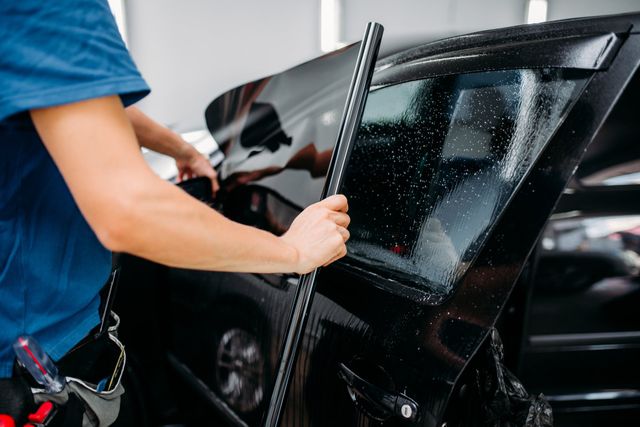
Windscreen tinting describes the application of a slim movie to the glass surface area of an automobile's windscreen. This movie is commonly made up of polyester and is designed to lower glare, block damaging ultraviolet (UV) rays, and give privacy. The color is offered in various tones and levels of darkness, permitting car proprietors to pick according to their preferences and local regulations.The setup process typically includes cleaning the windscreen completely before applying the movie, ensuring a smooth and bubble-free coating. Professional installers commonly use specialized devices to accomplish an accurate fit and suitable adhesion.Windshield tinting is subject to legal limitations that differ by area, which determine the permitted color levels. Car owners need to understand these laws to avoid prospective fines or difficulties. On the whole, windshield tinting acts as a practical improvement that can add to car aesthetics and driver comfort.
Benefits of Windscreen Tinting
Many benefits are linked with windshield tinting, making it a prominent choice among automobile owners. One substantial benefit is lowered glare from the sunlight, which enhances driving convenience and security. By lessening eye stress, tinted windscreens can help stop crashes triggered by blinding sunlight.Additionally, windshield tinting deals security versus harmful UV rays, which can bring about skin damage and fading of indoor materials. This protective barrier can extend the life expectancy of a lorry's upholstery and dashboard, inevitably maintaining its resale value.Moreover, tinted windscreens can assist manage the temperature level inside the automobile, lowering the requirement for air conditioning and improving fuel efficiency. This not only contributes to a much more comfy driving experience but also advertises energy conservation.Lastly, the added personal privacy and safety and security provided by tinting can prevent potential burglary, as valuables inside the lorry are less noticeable to outsiders. In general, these advantages make windshield tinting a beneficial investment for vehicle owners.
Legal Regulations Surrounding Tinted Windshields
Lawful laws relating to tinted windscreens vary significantly throughout different states, showing a diverse set of standards. These legislations commonly determine the allowed levels of tint darkness and the details locations of the windshield that can be tinted. Recognizing these policies is important, as disagreement can result in legal repercussions for automobile proprietors.
Tinting Laws Introduction
Exactly how do tinting legislations vary throughout different territories? Tinting regulations governing windshields differ noticeably from one region to one more, frequently shaped by local safety regulations and climate factors to consider. Numerous states manage the permissible level of Visible Light Transmission (VLT), which determines how much light can go through the tinted glass. Additionally, some jurisdictions restrict tinting on the front windshield, enabling just a specific percentage of tint over the maker's AS-1 line. Other areas might impose specific demands for reflective colors, restricting just how much light is reflected away from the lorry. It is vital for car owners to familiarize themselves with their regional legislations to stay clear of possible fines and ensure conformity while taking pleasure in the benefits of tinted windscreens.
State-Specific Regulations
Lawful Effects Explained
Recognizing the ramifications of state-specific regulations on windshield tinting is crucial for automobile proprietors, as non-compliance can bring about significant lawful effects. Each state enforces its very own regulations relating to the allowed degree of tint on windscreens, which are often dictated by exposure requirements for security. Violating these regulations might result in fines, necessary elimination of the tint, or points on a vehicle copyright. Additionally, law enforcement officers possess the authority to stop lorries believed of having prohibited tint, potentially leading to further legal issues. Auto proprietors need to acquaint themselves with their neighborhood guidelines, ensuring their vehicle modifications follow the law and avoid any unneeded legal entanglements that can impact their driving document or insurance policy rates.
Kinds Of Tints Available
Numerous types of tints provide to different requirements and preferences when it comes to windscreen tinting. Windshield Tinting Newark. Ceramic home window tint is recognized for its superior warm denial and UV protection, while dyed home window tint offers a much more economical choice with visual charm. Recognizing these options can aid customers make informed options based upon their certain needs
Ceramic Home Window Tint
Different kinds of window tints are readily available, ceramic home window tint stands out due to its advanced modern technology and one-of-a-kind residential properties. This color utilizes microscopic ceramic Discover More particles, which supply outstanding warmth being rejected without compromising presence. Unlike typical colors, ceramic window color does not include any type of metal, making sure that it does not interfere with digital signals or GPS systems. Furthermore, it offers remarkable UV protection, shielding both guests and the automobile's inside from dangerous rays. The toughness of ceramic tint also improves its long life, making it less vulnerable to fading or peeling in time. Therefore, cars and truck owners seeking a high-performance, trustworthy home window tint often favor ceramic alternatives for their vehicles.
Colored Window Color
Colored home window color is a popular option amongst automobile proprietors seeking a reliable and budget friendly remedy for improving privacy and minimizing glow. This sort of color is produced by adding dye to the polyester movie, resulting in a darker appearance that obstructs a significant quantity of sunlight. Though mainly created for visual purposes, colored colors additionally give UV defense, assisting to secure both guests and the car's inside from harmful rays. Among the major advantages of colored home window tint is its cost-effectiveness contrasted to various other tints. Nevertheless, it may not offer the same degree of heat being rejected as ceramic or metalized alternatives. In spite of this, numerous individuals value its aesthetic charm and the small personal privacy it provides.
Effect on Exposure and Safety
While windshield tinting offers heat-reducing and aesthetic advantages, its effect on exposure and security continues to be an essential consideration. The degree of color used can influence a driver's capacity to see clearly, particularly in low-light problems or throughout harsh weather condition. Heavily colored windscreens might cause raised glow from approaching headlights or the sunlight, decreasing total exposure and potentially creating unsafe driving situations.Moreover, specific areas have rigorous guidelines regarding the acceptable levels of color on windscreens. Non-compliance can not just cause fines but additionally compromise safety if exposure is considerably impaired.In comparison, appropriately used and compliant tint can boost convenience by decreasing glare while still permitting sufficient light to get in the automobile. Automobile proprietors must meticulously examine their tint options to accomplish an equilibrium between design, convenience, and keeping safe driving conditions. Eventually, focusing on exposure and security is crucial for each vehicle operator.
Setup Process and Upkeep
The installation procedure for windshield tinting requires cautious focus to detail to assure outstanding results. The car's windshield need to be completely cleansed to get rid of any type of dirt, dirt, or residue that can impede adhesion. Next off, an exact measurement of the glass area is taken to validate the tint film is cut properly, preventing any page excess or scarcity. The movie is after that thoroughly applied, starting from one side and gradually functioning across to remove air bubbles. Appropriate placement is essential during this step to verify a seamless finish.After setup, maintenance plays an important function in durability. It's a good idea to prevent rolling down the home windows for a minimum of a few days to permit the glue to treat fully. Normal cleansing should be finished with non-abrasive products to protect against scratches. Furthermore, car owners ought to keep an eye on for any peeling or bubbling and address these problems immediately to keep peak performance and look.
Usual Misconceptions Regarding Windscreen Tinting
What misunderstandings border windshield tinting? Many auto proprietors believe that all tinting is illegal, when in fact, laws vary by state and usually permit particular levels of color. One more myth is that tinted windshields considerably reduce visibility; nonetheless, top notch colors are developed to preserve clearness while obstructing unsafe UV rays. Some presume that windscreen tinting is a high-end, yet it can likewise use useful advantages, such as temperature guideline and glare decrease. Furthermore, there is a belief that tinting will void a vehicle's warranty; in fact, credible stores guarantee compliance with maker requirements. Several believe that all tinting is irreversible, whereas professional installations can be eliminated without damaging the glass. Recognizing these myths can aid car proprietors make notified choices about their windshield tinting choices, boosting both comfort and safety while driving.
Often Asked Questions
Can I Apply Windscreen Tinting Myself?
The individual asked whether applying windscreen tinting individually was possible. While do it yourself application is possible, it requires accuracy, proper materials, and knowledge of local regulations, which could impact the result and legitimacy of the tinting.
How Much Time Does Windshield Tinting Last?
Windscreen tinting normally lasts between 5 to 10 years, depending upon the quality of the color, installation method, and environmental elements. Normal upkeep can help expand its life-span and keep peak performance throughout its period.
Does Windscreen Tinting Affect Insurance Policy Fees?
Windshield tinting can possibly impact insurance prices. Insurers might see it as a modification that alters the automobile's safety or exposure, perhaps causing higher costs, though actual impacts vary by provider and policy specifics.
Can Tinted Windshields Be Eliminated Conveniently?
Removing colored windshields can be difficult. It typically calls for careful peeling, glue removal, and perhaps expert aid. The intricacy depends upon the color kind and application method, making some circumstances visit the site simpler than others for elimination.
Will Windscreen Tinting Affect My Car's Resale Value?
Windscreen tinting can influence a cars and truck's resale value. While some customers value the aesthetic and protective advantages, others may watch it as a modification that could make complex the sale, possibly impacting general market appeal. These regulations typically dictate the allowed levels of tint darkness and the particular areas of the windshield that can be tinted. Additionally, some territories restrict tinting on the front windscreen, allowing just a specific portion of color over the manufacturer's AS-1 line. Ceramic home window color is understood for its superior warm denial and UV security, while colored window color offers an extra affordable option with visual allure. Windshield Tinting Newark. Several car owners think that all tinting is unlawful, when in fact, legislations vary by state and commonly allow specific degrees of tint. Windscreen tinting usually lasts in between five to 10 years, depending on the quality of the tint, installation approach, and ecological factors